
Talonotw

2111

37

15
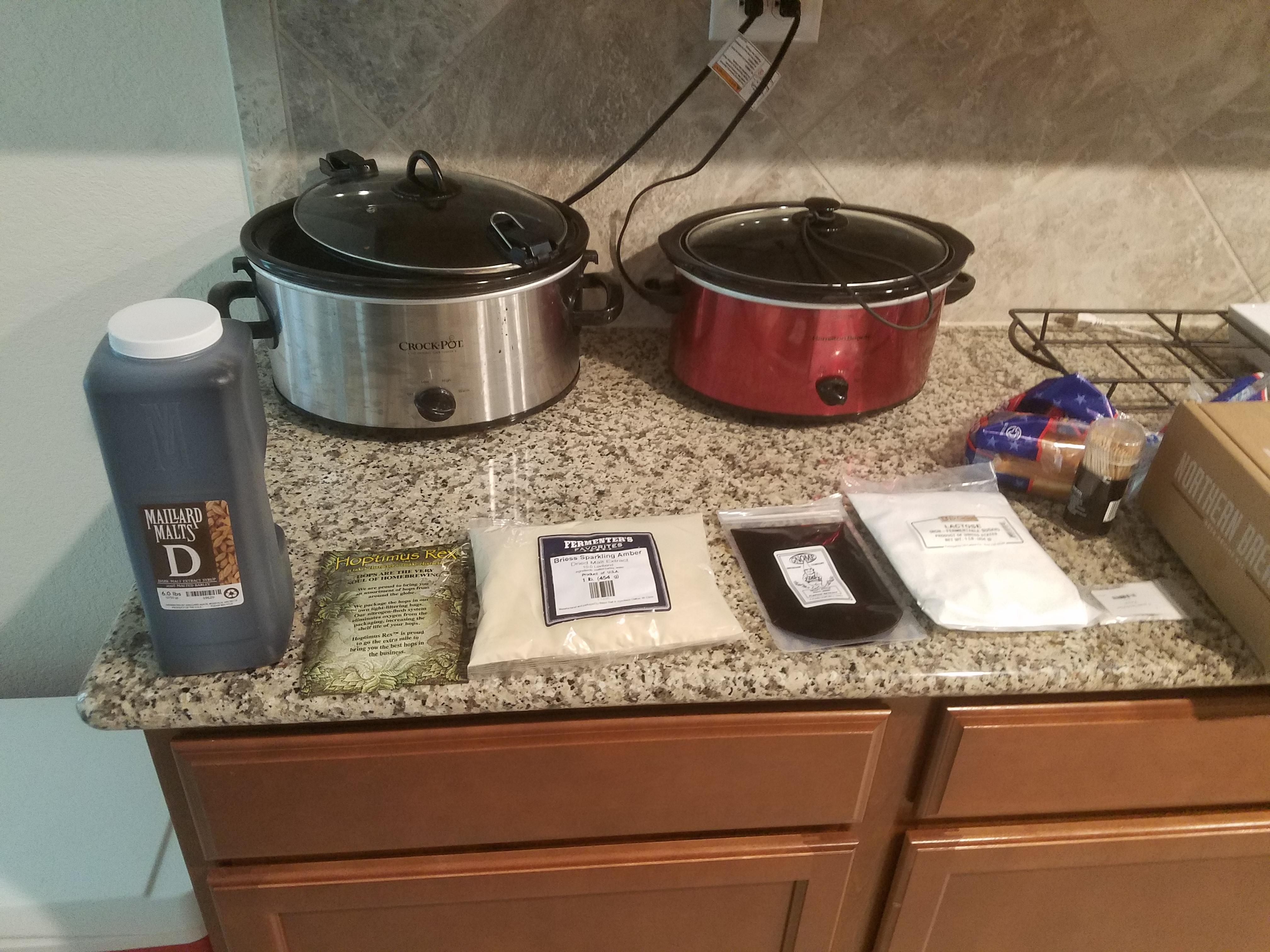
Well siddown, kid, and I'll tell ya. First, take a look. This is what five gallons of DIY fuckin' awesome looks like. We'll get a closer look in a minute. Note the hotdog buns for now. They are essential.

Okay, so we finished out hotdog and now we are ready to brew. Let's meet the cast.

This delicious motherfucker is Malt Syrup. He is made of sugars.
"What the fuck, sugar in beer?" I hear you ask.
"Shut up and listen" I reply. You know what happens to sugar? That's right, it turns into alcohol. That's why we're here.

This skinny bastard is Dried Malt Extract. He's even more delicious barley sugar that will turn into alcohol.
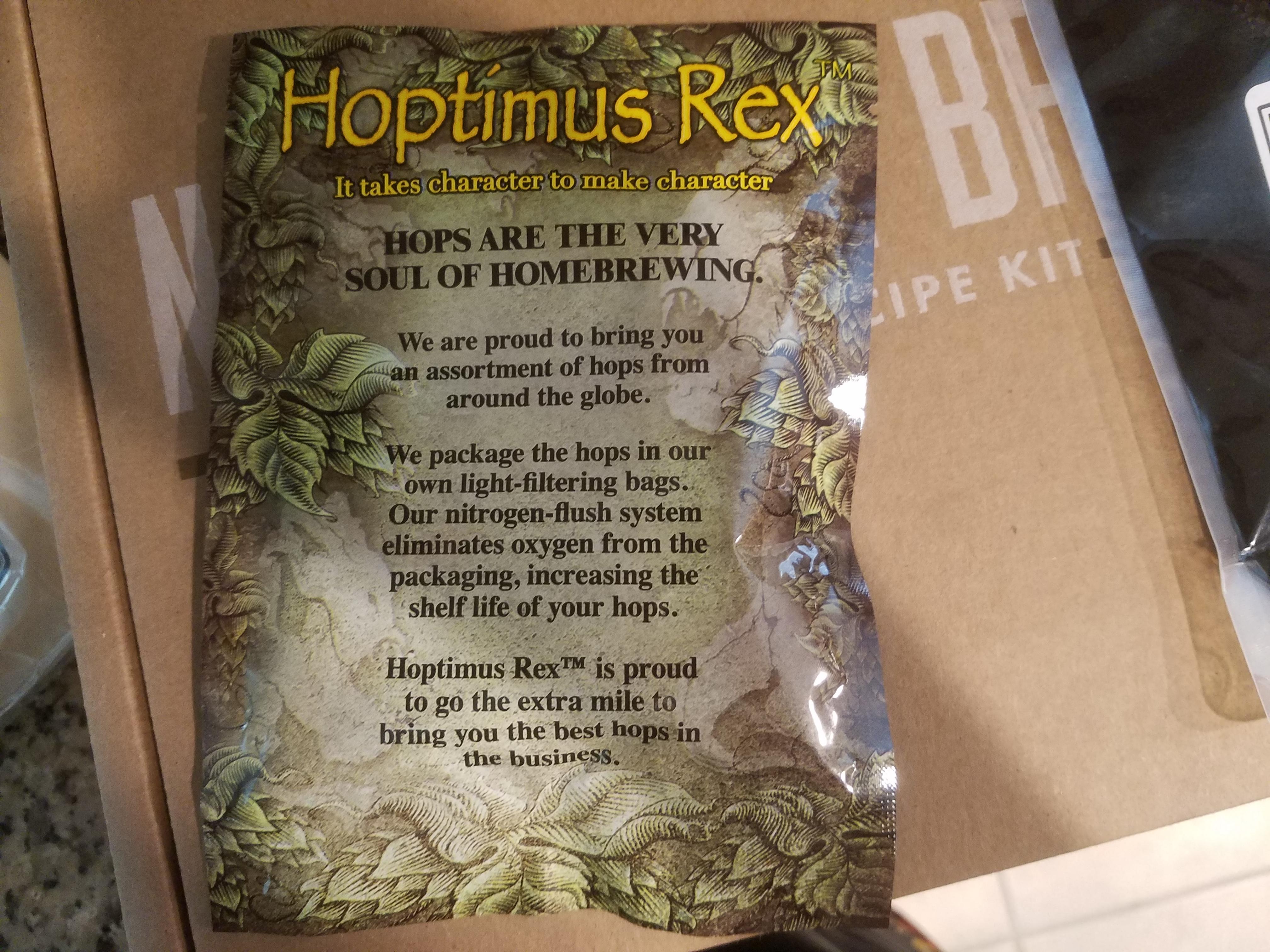
These are hops. Hops are a bitter fucking plant that gives the beer its beer-y taste. You ever wanna lose a friend, put these in their salad.

Now, we all have that one friend who smells like ass but is a total MVP. And if you don't have that friend, trust me, you ARE that friend. For our brew, that friend is yeast. Yeast comes in 2 types: dry and wet. Dry stores better and is easier to work with. Wet yeast has to be temperature controlled, has to be primed before use, but gives more alcohol.

We will depart a bit from standard here. The next couple ingredients are here because this is a lot for hard root beer. They would not be included in most kits.
This is sugar from lactose. It's here because this batch actually does need to be sweet, and yeast cannot metabolize this type of sugar and turn it into alcohol.

This is root beer flavoring. It makes shit taste like root beer. End of story.
All right, now let's take a look at our equipment.

These are carboys. On the left is 5 gallons, on the right is 6 gallons. This is where the actual fermentation will occur later. This is a good time to talk about sanitation. Since most of you probably wipe back to front, you need to hear this part: Sanitize everything. A lot. You don't want to leave bacteria growing for a month with your yeast. It tastes like shit.
The cat is also essential, for obvious reasons.

This is your standard issue boiling pot. Mine is too big, only need about 7 gallons, this is 1. Pro: will never boil over. Con: takes 20 pounds of ice to cool. Not an exaggeration.
So step one, finally. We put 2 1/2 gallons -fuck your metric system- in here and boil.

This is a picture from another boil. Many types of kit will have 'specialty grains' which add to the flavor. These go in like a big fucking teabag for about 20 minutes during previous step.

Here's What it looks like. So we bring this delicious slop to a boil, take it off the heat, and add the malt brothers.

Here we have the malt and grains coming to a boil. The mixture should have the aroma of warm, sweet oatmeal. Seriously, it will make you hungry.
Now we boil 1 hour, adding hops at different times depending on how we want them to change the taste.

This is at approximately halfway though boiling the hops. The mixture now has the aroma of warm ass.
When the hour is up, we put the lid on, and cool the mixture, now called "wort", to approximately body temperature. From this point, it is essential to move quickly, so I have no pictures of the next couple steps.
At this point, we add 2 gallons cold water to the large carboy we sanitized earlier. Once the wort is in, we add enough water to bring the total volume to 5 gallons.
Now we pour in the yeat, or "pitch" the yeast. The carboy get plugged and put in a closet.

This is after approximately 2 days of fermenting. The doodad in the top of the carboy is designed to allow co2 produced by fermentation to escape without allowing oxygen in. Call it the 'airlock the crud you can see at the top is called 'krausen'.

This is on the final day in the large carboy. You can see the sludge at the bottom comprised of dead yeast and it's byproducts.

Better view of the krausen. Cleaning this is so much fun.

2 weeks later. We siphon the beer from the first carboy to the second. At this stage, it is finally beer. The primary fermentation has completed, and most of the alcohol is made. The remainder of our time is to allow yeast and other detritus to settle out of the mixture and the flavors to mellow. A large amount of sludge will be left in the bottom of the first carboy at this step.

Another 2 weeks later. This is beer being siphoned down into the bottling bucket. At this point it again becomes time-critical, so I have no pictures of the actual bottling process.
At this point, the beer is completely flat. Which is pretty shitty beer. So let's fix that.
To carbonate these fuckers, we are going to boil up some more water, and mix in priming sugar. This is a carefully measured amount of sugar to be added to the beer. The reason for this is because there are traces of yeast left in the beer. When this is placed in contact with the sugar in the sealed environment of a capped bottle, it produces some more CO2, which is trapped in the bottle, carbonating it.
The beer goes back in the closet in bottles for weeks, and it's ready to serve.
Seriously, if you can make microwave ramen, you can make beer.
tanomil
No fuck your imperial system!
IHaveASiriusCyberneticsCorporationGenuinePeoplePersonality
Neat! Now how do I make beer with no hops, no flavors kits, and just a bathtub? Ok, how do I make bathtub gin, is what I'm asking.
IHaveASiriusCyberneticsCorporationGenuinePeoplePersonality
I may need to know next time I deploy...
middleagedman
Just mix sugar with water and add yeast. Ferment. Then distill it. Simple
IHaveASiriusCyberneticsCorporationGenuinePeoplePersonality
A still is kinda conspicuous in a 6x9 room. I need something that'd fit in a closet...
IHaveASiriusCyberneticsCorporationGenuinePeoplePersonality
And not potentially blow up...
middleagedman
No risk of blowing up. You just need a five gallon bucket with a lid and an airlock. The distilling is the hardest part