
trinxter

1013

46

2

There are so many things wrong with filling space with satellites. The worst will be the cloud of junk smashing into each other and creating a cascade of fragments. Then the junk falling from space, including satellites themselves falling out of orbit. By 2035 we will have to wear helmets. Then the massive carbon footprint of launching it all. The many 1000s of rocket parts dumped in oceans during launch. Eventually, the layer of space junk will simply prevent humans from leaving the planet. No Mars for you! The sky is closed.
I am just posting a few of the dozens of articles that try to grasp this enormous and rapidly growing idiocy.
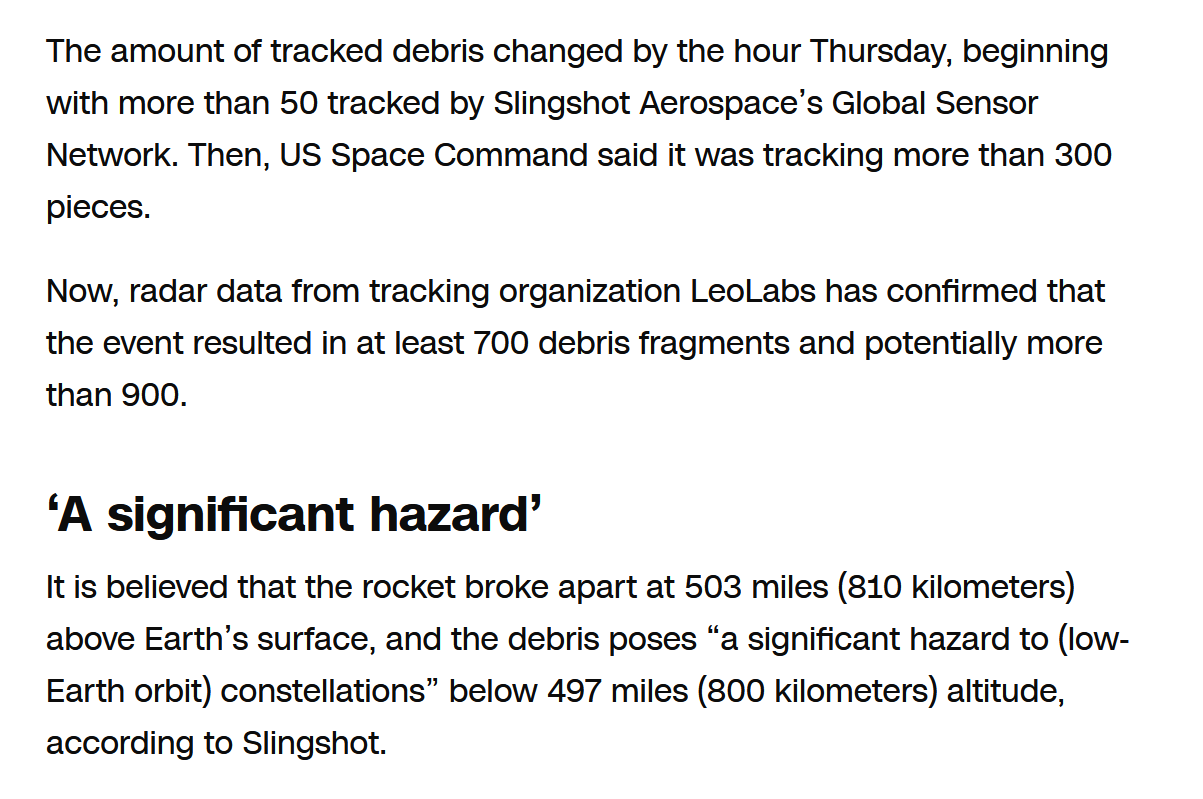
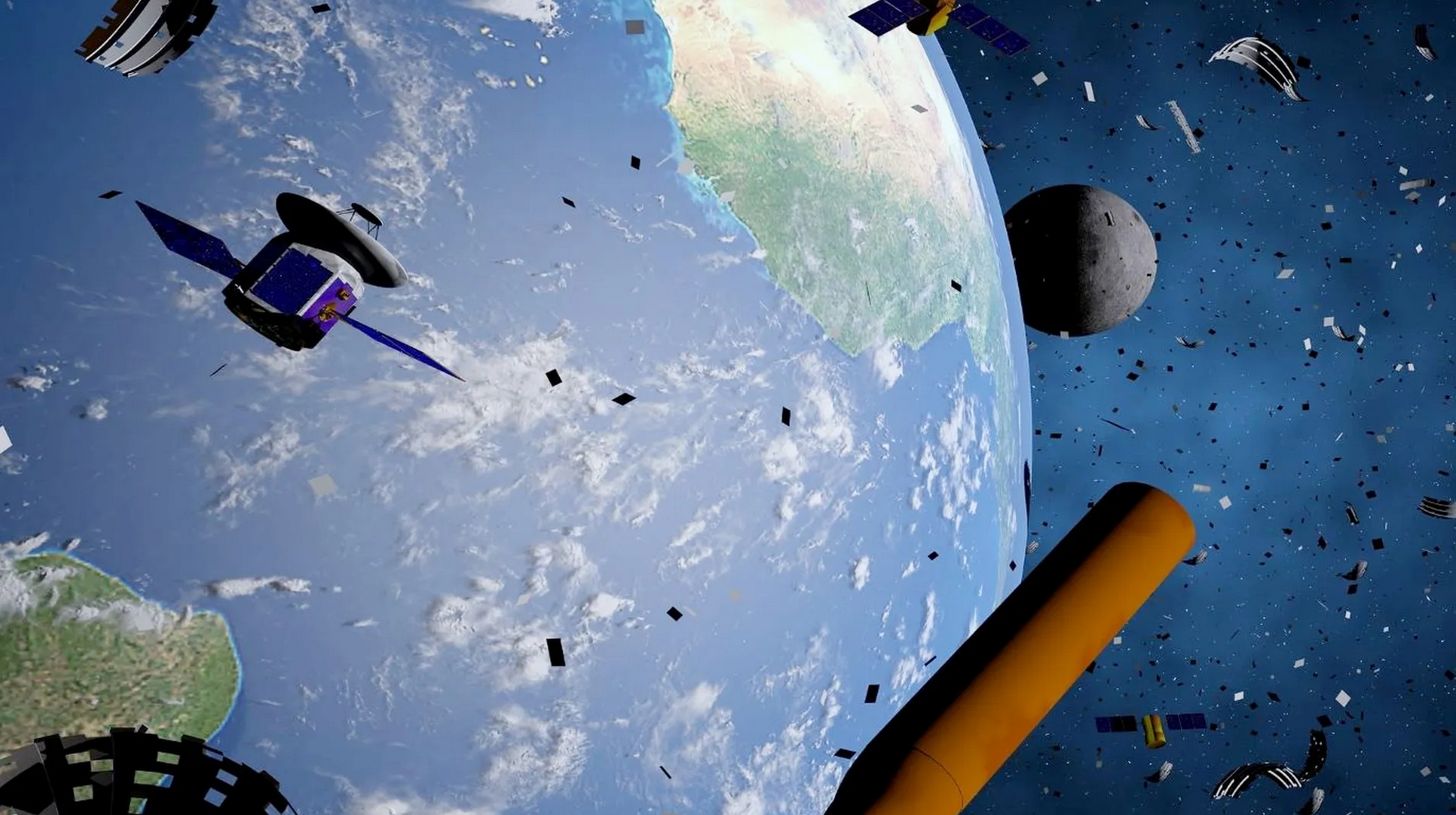
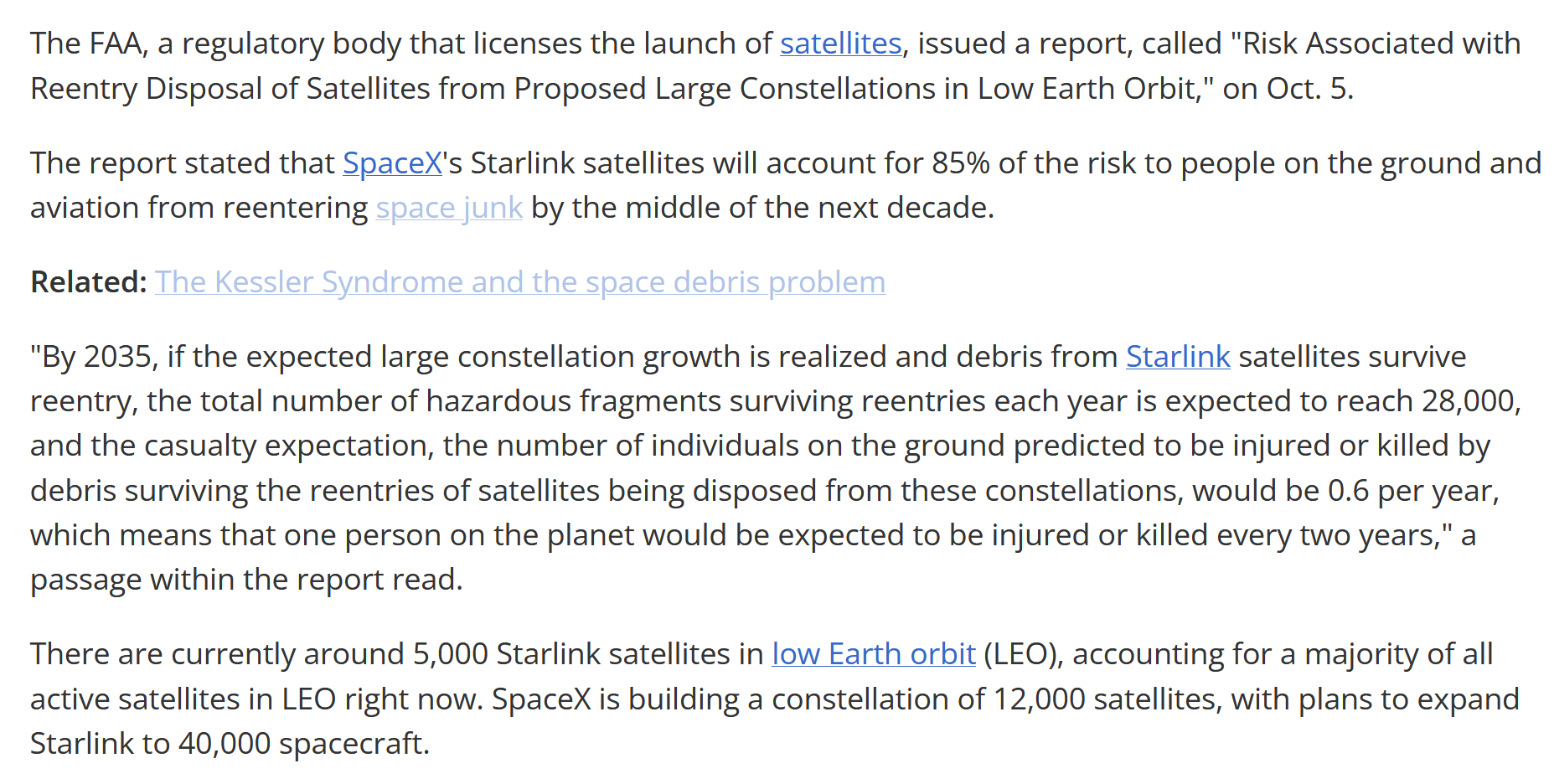
https://www.space.com/spacex-counters-faa-claims-starlink-space-junk-dangers
Famous 1978 paper describes the possibility of a cascade of debris production: https://www.space.com/kessler-syndrome-space-debris

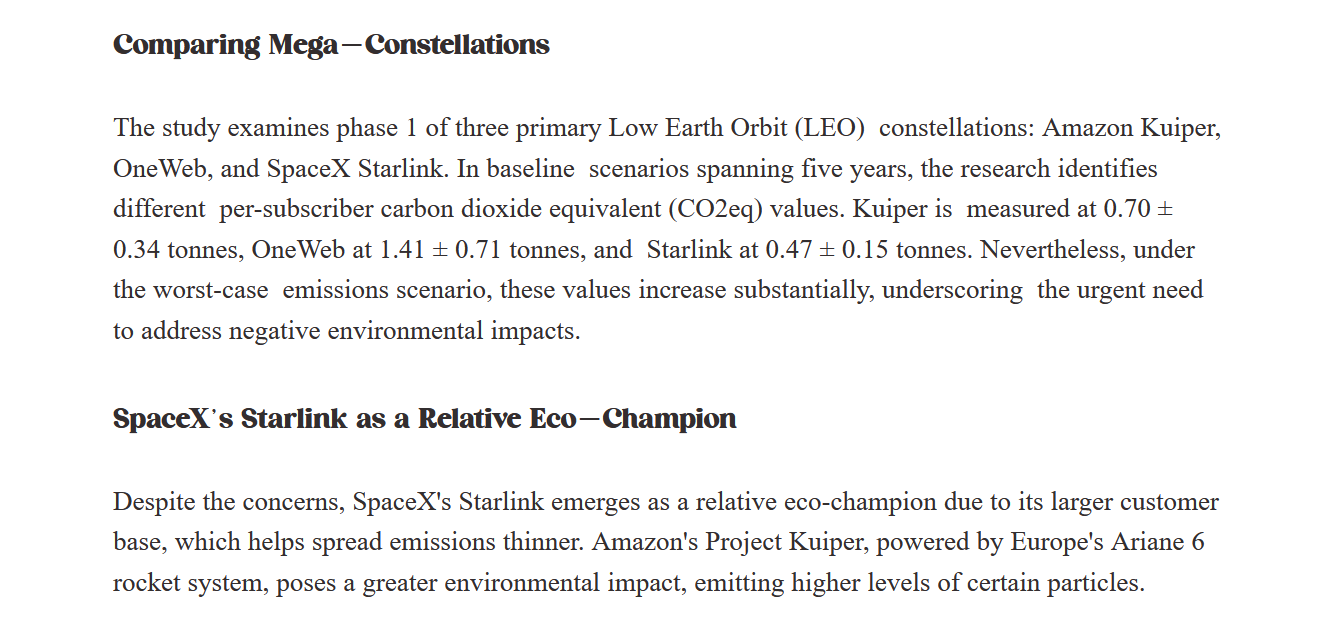
https://www.avatech.nz/post/the-hidden-environmental-cost-of-starlink-and-other-mega-constellations

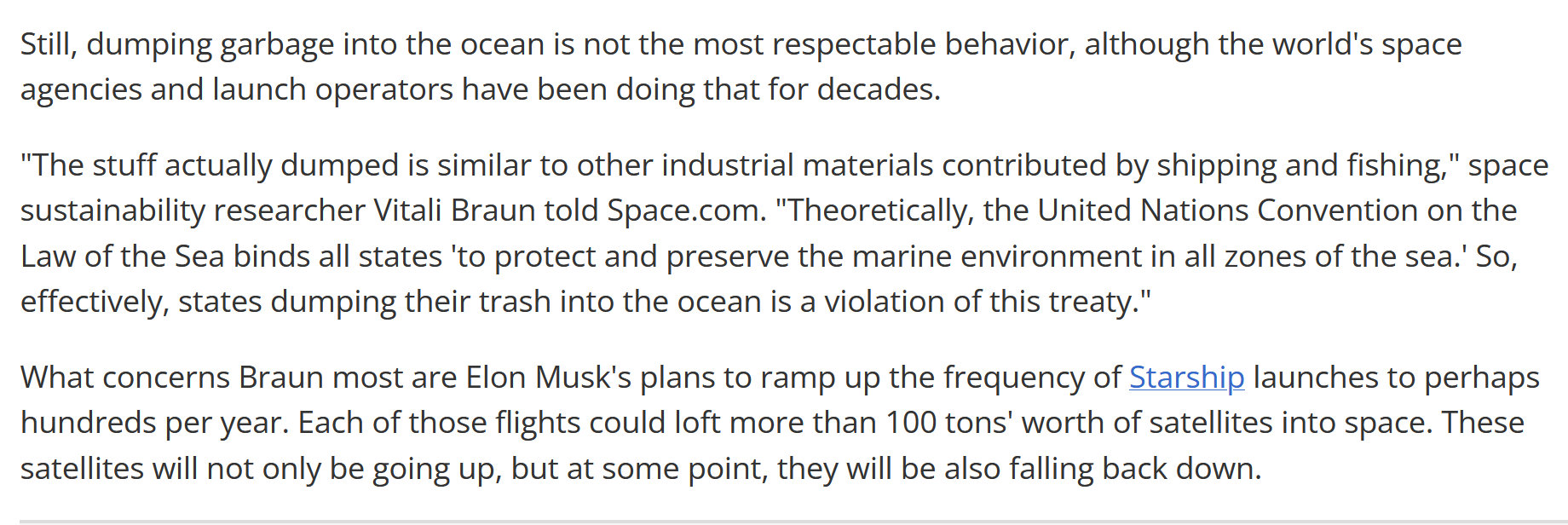
https://www.space.com/spacex-starship-rocket-launches-environmental-impact
PaperinoVB
"ChiNeSes Are RUINING oUr perSeId SHowEr!!!"
APassingPlasticBag
Hey just think about how we’ve trashed earth and imagine the debris field we’re creating in orbit. Humans trashing everything we touch
seakoos
They should get Boeing to help them. S/
charondaboatman
Most of the space debris and “failed launches” are ours. We have out-launched and out “orbited” all other countries combined.
nobodyspecial995
SpaceX starship is not the dirtiest by far. Look at how bad SRBs are for the atmosphere. Methane Burns to CO2, which isn't great, but SRBs Are worse.
Targe0
Well, that's less than good news.
sumthinsumthinsumthin
Here's a nifty tracker of objects in orbit: http://astria.tacc.utexas.edu/AstriaGraph/
nobodyspecial995
Be aware that at the default view, tiny pieces of space junk are exaggerated to the size of small cities to make them visible.
notacobra
Kessley Syndrome is still theoretical.
Not to undermine the severity of the issue or the other damaging factors of unjustified space launches.
But nobody has actually run the maths; the concept is that at density X, a Kessler scenario would occur, but the predicted values for X vary wildly from one theoretical study to another.
maybeamonster
yeah, I'm sure not one person has run math on the Kessler Syndrome in the 46 years since the idea was first proposed. That seems likely
https://amostech.com/TechnicalPapers/2012/Orbital_Debris/NIKOLAEV.pdf
https://www.mtfchallenge.org/wp-content/uploads/2023/04/KESSYM-A-StoV.pdf">https://amostech.com/TechnicalPapers/2012/Ochast">V.pdf">https://amostech.com/TechnicalPapers/2012/Orbita">rbita">chast">V.pdf">https://amostech.com/TechnicalPapers/2012/Orbital_Debris/NIKOLAEV.pdf
https://www.mtfchallenge.org/wp-content/uploads/2023/04/KESSYM-A-Stochastic-Orbital-Debris-Model-for-Evaluation-of-Kessler-Syndrome-Risks-and-Mitigations.pdf
https://ui.adsabs.harvard.edu/abs/2018SpPol..44...29D/abstract
https://aquarid.physics.uwo.ca/kessler/Kessler%20Syndrome-AAS%20Paper.pdf
SwissScars
is "low-earth" like "down-under" or what "exists" behind Cerberus (I'm not talking about Mar-et-Lego)?
Subtilico
It's a low orbit around the earth. Like 3-500km high. As opposed to a geostationary orbit, which is, for earth, at 40k km.
SwissScars
You're being intelligent, I'm being frivolous; you're like Ships that Pass in the night - I'm more a Shit that Pisses on the Knight. (300-500? 3-500 seems a little dysfunctional).
widiwi
remind me again at what height the iss and hubble hang around ?
nobodyspecial995
Lower than that. In a few years that cloud is going to be a huge problem for a LOT of stuff.
widiwi
Exactly ! and at what ranges do the starlink satellites roam around the planet ?
nobodyspecial995
550ish, but they can avoid the debris cloud easily.
widiwi
for now, yeah, thing is, the problem isn't the big things we can see, it's the little things we don't.