
Thorketil

881

21

1

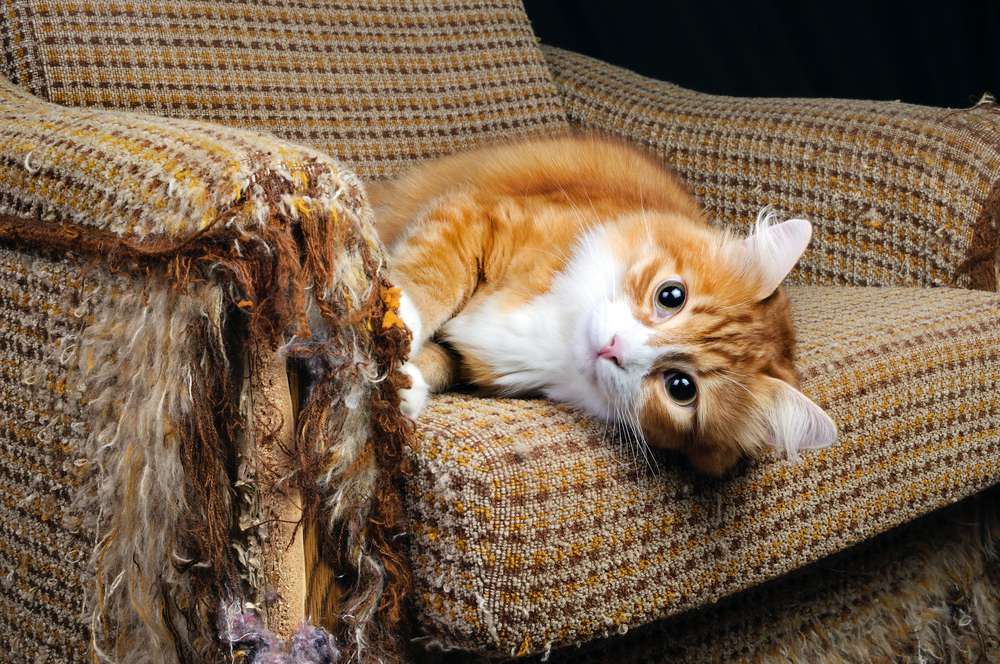
The researchers concluded that personality, play behavior, nighttime activity, lack of routine and, last but not least, children in the household all have an influence on the scratching behavior of cats. The stress level is particularly important here, because a stressed cat is more likely to scratch than a relaxed one.

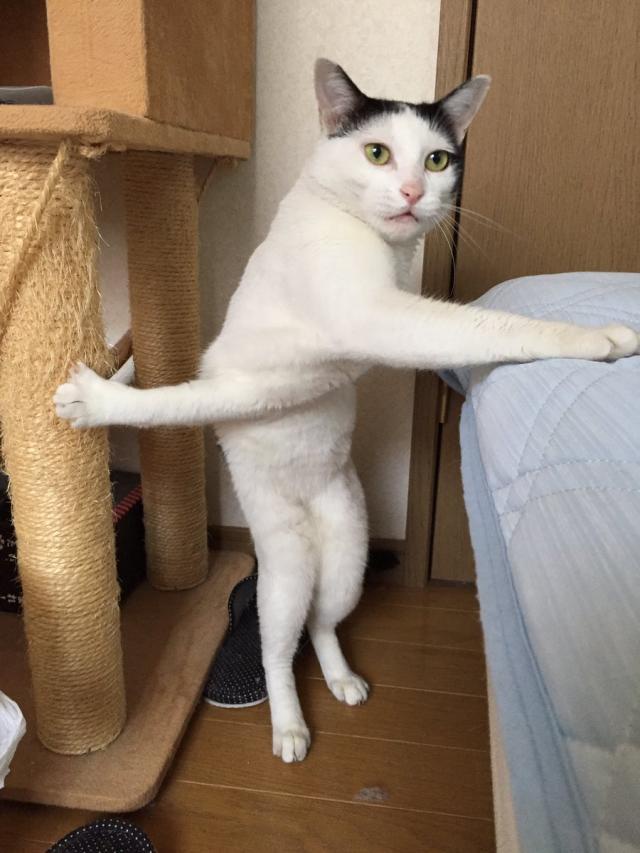
The researchers also found that it could make a difference where such scratching opportunities are placed. The most sensible places are therefore those where the cat regularly passes by on its territory.
Providing safe places to retreat, elevated observation spots and plenty of play opportunities can also help reduce stress and encourage the cat to engage in more constructive activities. Playing for too long can obviously cause stress, as can playing too little.

Attempts to train the cat with punishments lead to more stress and increased scratching activity.

If there are children living in the household, this presumably increases the stress level and thus the risk of scratching.
Link to the study: https://www.frontiersin.org/journals/veterinary-science/articles/10.3389/fvets.2024.1403068/full

Discuss!